PADMA-ASAN

ABOUT
Padma-Asan is a lounge chair meant for people who would like to sit in a comfortable cross legged position, with their lower body at an angle for an even more comfortable and lounge like experience. The design is inspired by basic geometrical shapes that come together to form a simple yet elegant form. The chair is held together by both mechanical fasteners and glue, ensuring durability and longevity.
PRECEDENTS
I did research on various low sitting styles and traditional baithaks that we have in India. Baithak seats are a traditional form of seating arrangement commonly used in South Asian households, particularly in India, Pakistan, and Bangladesh. Baithak seats typically consist of a low platform or a raised mat covered with cushions or rugs, and are often placed in a room designated for socializing and entertaining guests. Baithak seats are designed to facilitate comfortable and relaxed seating, allowing guests to sit cross-legged or stretch their legs out comfortably. I researched about various sitting options and positions, including sitting cross-legged and the many health benefits linked to it. Sitting cross- legged can help align the spine, pelvis, and hips, improving overall posture and reducing strain on the lower back.
PROTOTYPES
The first full scale prototype was made using foam core and the initial design was completely covered on the bottom making the whole structure look very visuallyy heavy. Shifting to the 1/2 scale prototype, the model had another piece that would support the base of the chair
and keep it structurally stable and visually light.


ERGONOMICS
The base and backrest of the chair are both at an angle to ensure comfort, which promotes sitting for long hours. This design allows for the weight to be evenly distributed across the seat, reducing strain on the lower back and promoting better posture. The chair’s shape and angle provide the user with a comfortable and relaxing experience, suitable for work, relaxation, or meditation.This allowed less wastage of material as compared to carving the shape out and a faster production process.
MATERIALS
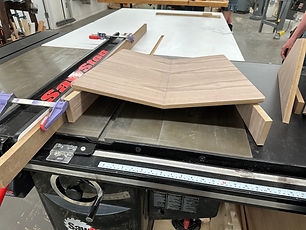
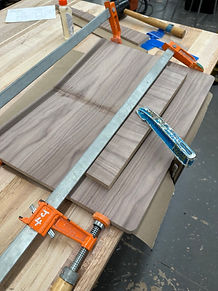
By choosing Veneered MDF for the prototype, I can leverage its workability, cost-effectiveness, and compatibility with CNC milling to create a highly refined and functional representation of the Padma-Asan. This choice allows for efficient production processes and provides a solid foundation for testing and evaluating the design’s ergonomics, aesthetics, and overall functionality before proceeding to the final production stage. The chair would eventually be made out of hardwood, preferably walnut or cherry, to give it a timeless and
sophisticated look.


THE PROCESS